Table of Contents
Introduction: Entering the Second Month of Pregnancy
The second month of pregnancy is often when everything begins to feel real. By this time, the fertilized egg that implanted during the first month has already undergone significant transformation. What was once a cluster of cells is now forming into an identifiable embryo with critical systems beginning to develop. This stage, covering weeks 5 through 8, marks the foundation for your baby’s organs, brain, and heart.
Why the Second Month is So Important
This period is vital because it’s when the baby transitions from a fragile group of dividing cells to a structured embryo with a rapidly beating heart and a developing nervous system. Organs such as the liver, kidneys, and digestive system start forming. The neural tube, which became the early brain and spinal cord in the first month, now grows at an astonishing pace, shaping your baby’s intelligence and abilities for the future.
Key Milestones Compared to the First Month
In the first month, the focus was primarily on implantation and initial cell division. By the second month, everything accelerates:
- The heart begins to beat regularly.
- Facial features start to appear, including eyes, nostrils, and mouth.
- Tiny buds grow into arms and legs.
- The embryo doubles in size almost weekly.
For mothers, this month can also bring new physical and emotional experiences. Morning sickness often intensifies, fatigue becomes more noticeable, and mood swings may appear. But alongside the discomfort comes excitement—by the end of this month, your embryo will officially be called a fetus, marking a new stage of life.
Week 5: The Embryo Begins to Take Shape
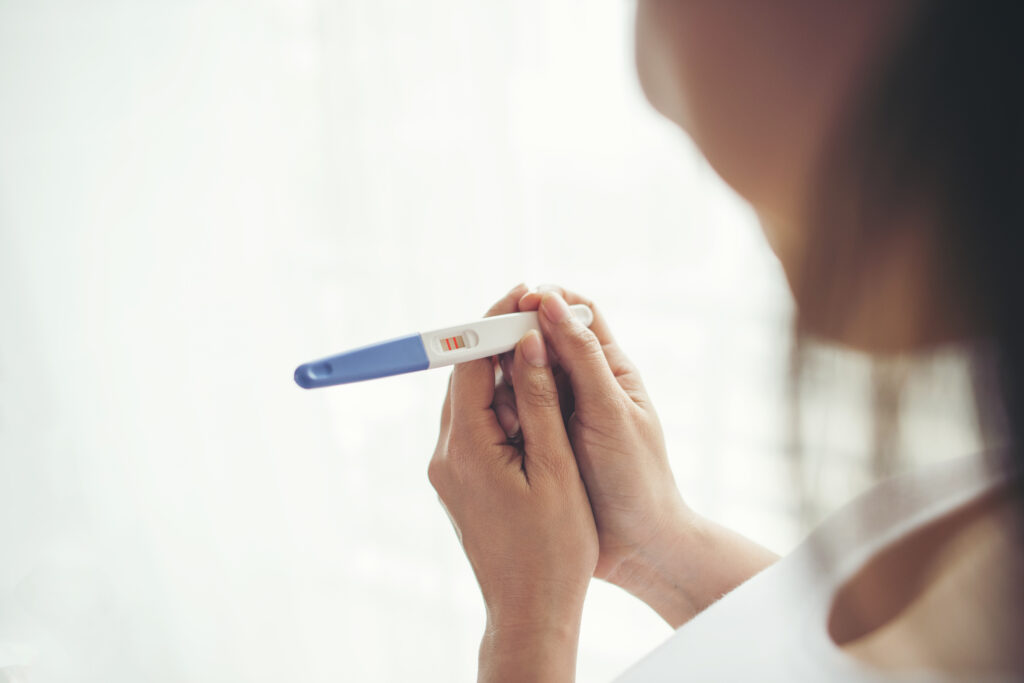
By week 5, the embryo is about the size of a sesame seed, but major developments are underway. This week is sometimes when women first discover they are pregnant, usually because of a missed period or early pregnancy test.
Major Developments in the Fifth Week
- The neural tube, which eventually forms the brain and spinal cord, closes and starts developing more complex structures.
- The beginnings of the heart and circulatory system appear.
- Small buds emerge that will grow into arms and legs.
- The placenta and umbilical cord are beginning to function, providing nutrients and removing waste.
Common Symptoms Mothers May Experience
The body is now flooded with hCG (human chorionic gonadotropin), estrogen, and progesterone. These hormonal changes may cause:
- Fatigue and drowsiness
- Increased urination
- Tender, swollen breasts
- Nausea or vomiting (morning sickness)
- Mood changes
Tips for Supporting Growth at Week 5
- Continue taking prenatal vitamins with folic acid to prevent neural tube defects.
- Avoid alcohol, smoking, and high-caffeine intake, as these can disrupt development.
- Stay hydrated and eat nutrient-rich meals to help with energy and nausea.
This week is all about laying the groundwork—while your baby may still be tiny, their most essential systems are already starting to form.
Week 6: The Heartbeat and Rapid Growth
By week 6, the embryo has doubled in size and is now about the size of a lentil. The most exciting development this week? The heartbeat.
How the Heart Develops and Starts Beating
The primitive heart begins beating at around 100–120 beats per minute—much faster than an adult’s heart. This rhythm can sometimes be detected through an early ultrasound, which is often a thrilling moment for expectant parents.
Early Formation of Limbs and Facial Features
- Arm and leg buds become more visible, resembling tiny paddles.
- Dark spots indicate where the eyes and nostrils will form.
- The inner ear begins developing, laying the foundation for hearing.
Pregnancy Symptoms During Week 6
This is when symptoms may become more noticeable:
- Intense fatigue as your body adjusts to higher energy demands.
- Stronger food cravings or aversions.
- More frequent urination due to increased blood flow to the kidneys.
- Heightened emotions, ranging from excitement to anxiety.
By the end of week 6, your baby is visibly more human-like, even though still just millimeters in length.
Week 7: Brain Development and Organ Formation
At week 7, the embryo is about the size of a blueberry, and brain development takes center stage.
Key Changes in the Brain and Nervous System
The brain is growing rapidly, producing about 100 new brain cells every minute. The nervous system is beginning to connect, and early neural activity can already be detected.
Growth of Arms, Legs, and Facial Details
- Hands and feet are starting to form from the paddle-like limb buds.
- The face becomes more defined, with tiny openings for nostrils and ears.
- The mouth begins forming, and even the first stages of a tongue appear.
What Mothers Commonly Experience This Week
- Increased morning sickness due to rising hormone levels.
- Visible bloating from hormonal changes and slowing digestion.
- Heightened sense of smell, which may trigger nausea.
This is also a sensitive week—exposure to toxins or harmful substances can affect organ development. That’s why medical professionals emphasize extra care during this period.
Week 8: Transition from Embryo to Fetus
By week 8, your baby has grown to about the size of a kidney bean and is making the big transition from embryo to fetus.
Critical Organ Development and Refinement
- The heart is fully functioning and beating strongly.
- The liver, kidneys, and lungs are developing further.
- Muscles and nerves are beginning to coordinate, which means tiny movements may occur—though too small for you to feel yet.
Visible Physical Changes in the Baby
- Fingers and toes begin to separate, moving away from the webbed look.
- Eyelids start forming to cover the developing eyes.
- The head is still large compared to the body, but the shape is becoming more defined.
Health and Lifestyle Recommendations for Mothers
- Stick to balanced meals rich in protein, iron, calcium, and folic acid.
- Manage nausea with smaller, more frequent meals.
- Continue avoiding raw fish, undercooked meats, and unpasteurized foods.
- Gentle physical activity, like walking or prenatal yoga, can help with fatigue and circulation.
By the end of week 8, your baby is no longer just a cluster of cells—it’s a tiny, recognizable human being with a beating heart and developing features.
Understanding the Emotional Journey in Month 2
Pregnancy is not only a physical transformation—it’s an emotional one, too. By the second month, hormonal changes can dramatically affect your mood and energy levels.
Mood Swings and Hormonal Shifts
The rapid rise of estrogen and progesterone affects neurotransmitters in the brain, which can cause emotional ups and downs. You may feel joyful one moment and tearful the next. This is completely normal and not a sign of weakness or instability. It’s simply your body’s way of adjusting to the tremendous life change happening inside you.
Building Emotional Resilience Early in Pregnancy
- Acknowledge your feelings: Don’t suppress emotions. Talking about them helps relieve stress.
- Connect with your partner or loved ones: Sharing your experiences creates support and understanding.
- Practice relaxation: Deep breathing, meditation, and light stretching can calm anxiety.
- Rest whenever possible: Fatigue often worsens mood changes.
Emotional well-being is just as vital as physical health. Taking care of your mind now sets the tone for a smoother pregnancy journey ahead.
Nutrition and Care in the Second Month
The food you eat in the early stages of pregnancy plays a major role in your baby’s organ and brain development. Every meal is a chance to provide nourishment for both you and your growing little one.
Essential Nutrients:
- Folic Acid: Prevents neural tube defects and supports brain growth.
- Iron: Helps form red blood cells and prevents anemia.
- Calcium: Strengthens developing bones and teeth.
- Vitamin D: Aids in calcium absorption and immune support.
- Protein: Crucial for tissue growth and muscle development.
Healthy Eating Tips:
- Eat small, frequent meals to combat nausea.
- Include a mix of fruits, vegetables, whole grains, and lean protein.
- Stay hydrated—aim for at least 8–10 glasses of water daily.
- Avoid alcohol, raw seafood, unpasteurized cheese, and processed meats.
Habits to Avoid During Early Pregnancy
Certain habits and exposures can interfere with healthy development at this delicate stage:
- Avoid alcohol, smoking, and drugs, which can cause severe birth defects
- Limit caffeine intake to prevent complications
- Stay away from raw or undercooked foods that may carry harmful bacteria
- Reduce exposure to toxins such as cleaning chemicals or paint fumes
A balanced lifestyle—combined with proper prenatal vitamins—creates the best environment for the baby’s growth.
Self-Care Practices:
- Get plenty of rest—your body is working harder than ever.
- Maintain light exercise, such as walking or prenatal yoga, to boost circulation.
- Schedule your first prenatal appointment if you haven’t already.
The second month is the foundation for lifelong health—what you do now directly supports your baby’s early growth and future well-being.
Common Challenges During Month 2
As exciting as this stage is, it can also come with discomfort. Understanding what’s normal helps you manage these changes confidently.
Morning Sickness:
Nausea is one of the most common symptoms in early pregnancy. It’s often triggered by hormonal changes and a sensitive sense of smell. Eating small, bland snacks like crackers, ginger tea, or dry toast can help ease it.
Fatigue:
Your body is using tremendous energy to grow the placenta and support your developing baby. Rest whenever possible and prioritize sleep.
Bloating and Constipation:
Progesterone relaxes your digestive muscles, slowing digestion. To ease discomfort, increase your fiber intake and drink plenty of water.
Breast Tenderness:
Hormonal surges prepare your breasts for milk production, causing swelling and soreness. Wearing a supportive bra can provide relief.
Emotional Sensitivity:
Mood changes are part of the hormonal rollercoaster—acknowledge your emotions, and don’t hesitate to lean on loved ones for support.
These challenges can be frustrating, but remember—they’re temporary signs of a healthy, progressing pregnancy.
When to Call a Doctor
Seek medical help if you notice:
- Intense abdominal pain
- Heavy vaginal bleeding
- Severe dizziness or fainting
- High fever or chills
These could signal complications that may affect the fetal development of 2 month.
The Importance of Prenatal Checkups
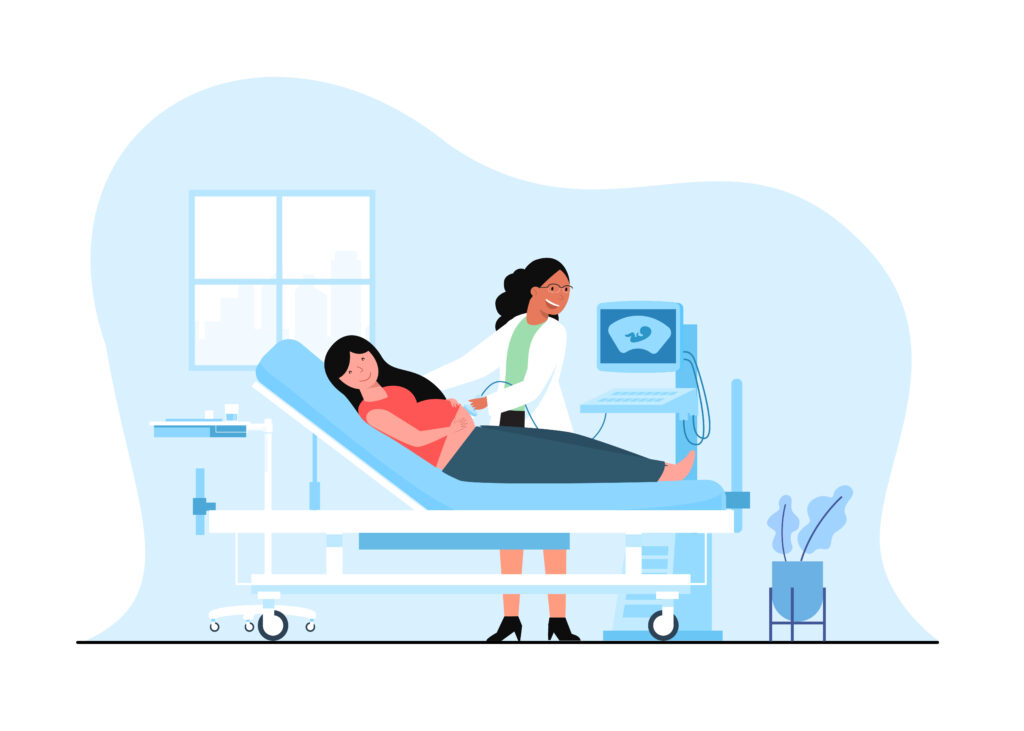
Your first prenatal visit usually happens between 6 and 8 weeks, making this an essential milestone in the second month.
What to Expect at Your First Appointment:
- Pregnancy confirmation: Blood or urine test to measure hCG levels.
- Ultrasound: You might see your baby’s heartbeat for the first time!
- Medical history review: Discussion of health conditions, medications, and previous pregnancies.
- Estimated due date: Based on your last menstrual period.
- Prenatal vitamins: Your doctor will ensure you’re getting the right nutrients.
Why Regular Checkups Matter:
- They help track your baby’s growth and detect potential issues early.
- You’ll receive guidance on diet, activity, and safety.
- Regular visits build trust with your healthcare provider and peace of mind for you.
Consistent prenatal care is one of the best ways to ensure both you and your baby stay healthy throughout pregnancy.
Summary of Fetal Growth in the Second Month
Here’s a snapshot of your baby’s incredible transformation during this month:
| Week | Size Comparison | Major Developments |
|---|---|---|
| Week 5 | Sesame seed | Heart and neural tube begin to form |
| Week 6 | Lentil | Heart starts beating, limb buds appear |
| Week 7 | Blueberry | Brain grows rapidly, facial features form |
| Week 8 | Kidney bean | Organs refine, fingers and toes develop |
By the end of the second month, your baby is about 1 inch long and weighs roughly 1 gram. The transition from embryo to fetus is complete, marking a new phase of structured growth.
This is the month where the groundwork for every major organ and system is laid. Your baby now has the basic form of a human being, tiny but perfectly designed.
Emotional Bonding With the Baby at 2 Months
Even though the baby is still very small, many mothers feel emotionally connected by the second month. Seeing a tiny heartbeat during an ultrasound often creates a strong sense of attachment. Fathers and partners can also bond by joining prenatal visits, supporting lifestyle changes, and speaking to the baby.
This early connection encourages a positive pregnancy journey and strengthens family bonds.
Myths vs. Facts About Fetal Development of 2 Month
- Myth: The baby doesn’t grow much until later months.
Fact: By the second month, all major organs are beginning to form. - Myth: Pregnant women should “eat for two” right away.
Fact: Nutrition is vital, but overeating isn’t necessary. Balanced meals are more important. - Myth: You can’t exercise in the early months.
Fact: Light exercise, such as walking or prenatal yoga, supports healthy pregnancy unless a doctor advises otherwise. - Myth: Morning sickness means something is wrong.
Fact: It’s usually a healthy sign of rising hormones supporting pregnancy.
Preparing for the Journey Ahead: From 2 Months to Birth
The second month marks the beginning of many exciting milestones. After this stage, the embryo is referred to as a fetus (from week 9 onward). The months ahead will bring rapid growth, movements, and more visible features.
Parents should use this time to:
- Start planning prenatal care and follow-up visits
- Create a healthy environment at home
- Begin researching childbirth options and birthing classes
- Focus on mental health and stress reduction
Conclusion
The second month of pregnancy is both thrilling and delicate. It’s the stage when life begins to visibly take shape—from a simple group of cells to a developing baby with a beating heart and forming limbs. Though you may be dealing with fatigue, nausea, or mood swings, these changes reflect the miracle unfolding inside you.
By focusing on proper nutrition, rest, and regular medical care, you’re giving your baby the best possible start. Emotionally, remind yourself that every symptom, every new sensation, is part of your body’s incredible transformation.
As you move toward the third month, your baby’s growth will accelerate, and your connection to this new life will deepen even more. Celebrate each week, nurture yourself, and trust your body—it’s doing something truly extraordinary.
FAQs
1. How big is the baby at the end of the second month?
By week 8, your baby is about 1 inch long—roughly the size of a kidney bean—and weighs around 1 gram.
2. Can you hear the heartbeat at 2 months?
Yes! Around week 6–7, your baby’s heartbeat can often be detected via an early ultrasound.
3. What foods should I avoid during the second month?
Avoid raw seafood, undercooked meats, unpasteurized dairy, alcohol, and excess caffeine. These can harm fetal development.
4. Is it normal to have spotting at 8 weeks pregnant?
Light spotting can be normal due to implantation or hormonal changes, but heavy bleeding should be reported to your doctor immediately.
5. When does morning sickness go away?
Most women find relief by the end of the first trimester (around week 12), though it varies for each person.