Table of Contents
Pregnancy is an exciting, life-changing experience that comes with its own set of joys, challenges, and responsibilities. For the health of both the mother and the baby, knowing the right pregnancy care tips can make all the difference. Following these essential guidelines ensures that you stay healthy and reduce the risk of complications, helping you to experience a smooth and comfortable pregnancy. Whether it’s making nutritional adjustments or learning to manage stress, taking proactive steps is key to ensuring your pregnancy is as healthy as possible.
Pregnancy marks one of the most profound and life-changing journeys a woman can experience, filled with both joy and transformation. While it brings immense joy and excitement, it also demands special attention to health and wellness. The journey is full of changes — physical, emotional, and even psychological — and understanding how to navigate these changes is crucial. Following the right pregnancy care tips can not only keep you healthy but also give your baby the best start in life.
This article explores 10 essential pregnancy care tips that will guide you through each stage of your pregnancy with confidence
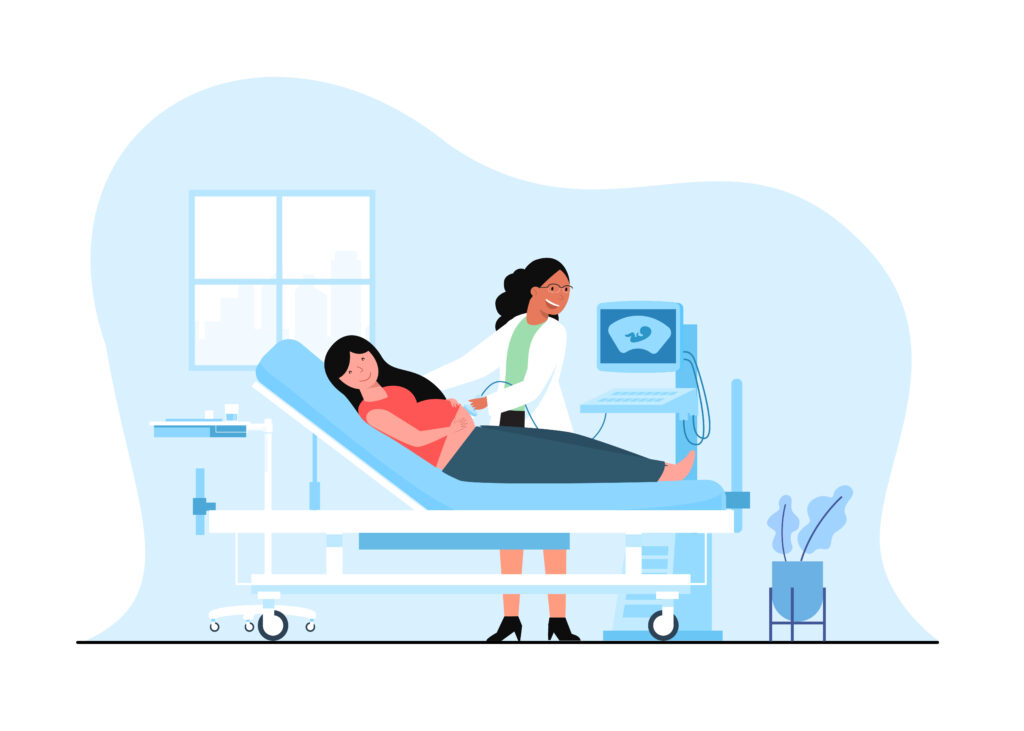
Tip 1: Begin with Regular Prenatal Checkups
From the moment you discover that you’re pregnant, regular prenatal checkups should be your first priority. These appointments help monitor your baby’s development and your health, and they can identify any potential complications early on.
During prenatal visits, your healthcare provider may recommend essential vitamins, especially folic acid, which helps prevent neural tube defects. Iron supplements are also typically prescribed to support the increased blood volume needed during pregnancy.
Make sure to stick to the schedule your doctor recommends, as this is crucial for tracking both your health and the baby’s growth.
Tip 2: Nourish Your Body with a Balanced Diet
A nutritious diet plays a pivotal role during pregnancy. The right balance of nutrients supports both your well-being and your baby’s development. Focus on foods that are rich in essential vitamins and minerals like:
- Folic Acid: Found in leafy greens and fortified cereals, it helps prevent birth defects.
- Iron: Essential for supporting the increase in blood volume, and can be found in red meat, beans, and spinach.
- Calcium: Critical for the baby’s bone and teeth development, and found in dairy products, almonds, and broccoli.
Equally important is knowing which foods to avoid, such as undercooked meats, certain types of fish high in mercury, and unpasteurized dairy products. These foods can pose health risks to both you and your baby.
Tip 3: Stay Hydrated
Hydration is key during pregnancy. Water helps transport nutrients to your baby, maintain amniotic fluid levels, and prevent common pregnancy-related issues like constipation and swelling. Pregnant women are generally advised to drink about 8-10 glasses of water a day.
If plain water seems unappealing, try adding a splash of lemon, mint, or cucumber to keep it interesting. Staying hydrated also helps alleviate symptoms like headaches and dizziness that are common in pregnancy.
Tip 4: Stay Active with Safe Exercises
Remaining active during pregnancy benefits both you and your baby. Not only does it help maintain a healthy weight, but it also boosts mood, increases energy levels, and can even make labor easier. However, it’s important to choose safe exercises that accommodate your changing body.
Some great pregnancy-friendly exercises include:
- Walking: A gentle, yet effective way to boost your heart health while staying active during pregnancy.
- Swimming: Relieves pressure on joints and reduces swelling.
- Prenatal Yoga: Helps improve flexibility, balance, and breathing techniques that may assist during labor.
Always consult with your healthcare provider before beginning any exercise routine, especially if you weren’t active before pregnancy.
Tip 5: Prioritize Sleep and Rest
As your body works hard to support the growing baby, you may feel more tired than usual. Sleep becomes even more important during pregnancy, but getting enough rest can be challenging due to physical discomfort, hormonal changes, or anxiety.
Here are some tips to help improve your sleep quality:
- Sleep on your side: Especially in later stages, it’s recommended to sleep on your left side to improve blood circulation to the baby.
- Use supportive pillows: Placing a pillow between your legs or under your belly can help alleviate discomfort.
- Create a bedtime routine: A consistent sleep routine can help signal your body that it’s time to wind down, making it easier to fall asleep.
Tip 6: Manage Stress and Emotional Well-being
Pregnancy is an emotional time, and while it’s normal to feel a range of emotions, it’s crucial to manage stress for both your health and the baby’s well-being. High levels of chronic stress can lead to complications like preterm birth or low birth weight.
Incorporating relaxation techniques can help manage stress. Here are a few methods to try:
- Deep Breathing Exercises: Focus on your breathing to help calm your mind and relax your body.
- Prenatal Yoga: This form of exercise not only benefits your body but also helps you mentally by reducing anxiety and stress.
- Talking it Out: Share your concerns or fears with your partner, friends, or even a counselor. Sometimes, simply talking about your worries can provide relief.
Tip 7: Avoid Harmful Substances
Pregnancy is a period where you must be especially mindful of what you consume, ensuring that everything you put into your body benefits both you and your growing baby. It’s essential to avoid harmful substances like alcohol, tobacco, and drugs, as they can have serious consequences for your baby’s development.
Additionally, limit your exposure to environmental toxins such as cleaning products, pesticides, and certain beauty treatments. Opt for natural, non-toxic alternatives whenever possible to keep your living environment safe for you and your baby.
Tip 8: Get Plenty of Rest
It’s important to strike a balance between staying active and resting during pregnancy. While exercise helps with mood and stamina, rest is equally vital. Your body needs downtime to recharge, and taking regular breaks throughout the day can help prevent overexertion.
Listen to your body — if you’re feeling tired, take a nap or rest your feet. Pregnancy is the perfect time to slow down and focus on self-care.
Tip 9: Prepare for Labor and Delivery
The thought of labor can be intimidating, but preparing ahead of time can reduce your anxiety and make the experience more manageable. Educating yourself about the stages of labor, pain management options, and delivery techniques can help you feel more in control.
Consider taking prenatal classes, reading books, or watching instructional videos that explain what to expect during labor. Having a birth plan in place also helps ensure your preferences are known by your healthcare provider and birth team.
Tip 10: Build a Support System
Pregnancy is a life-changing experience, and having a solid support system can make a big difference in your emotional well-being. Whether it’s your partner, family members, friends, or a pregnancy support group, leaning on others for help and encouragement can ease the burden.
Engaging in open communication with your partner or loved ones ensures they are aware of your needs, and don’t hesitate to ask for help when needed — whether it’s with household chores, emotional support, or advice from those who have been through it.
Conclusion
Taking care of yourself during pregnancy is one of the greatest gifts you can give to your baby. From attending regular prenatal checkups to maintaining a balanced diet, staying hydrated, and getting enough rest, following these 10 essential pregnancy care tips will ensure a healthier and happier journey. As you embark on this incredible journey of motherhood, remember that caring for your mental and physical well-being is just as important as preparing for your baby’s arrival.
FAQs
1. What should I avoid during pregnancy?
Avoid alcohol, tobacco, drugs, and foods that pose a risk of foodborne illnesses (like raw fish, deli meats, and unpasteurized dairy). It’s also essential to avoid exposure to harmful chemicals and toxins.
2. How do I manage morning sickness effectively?
Eating small, frequent meals, staying hydrated, and avoiding triggers like strong odors can help alleviate morning sickness. Ginger tea or crackers first thing in the morning can also reduce nausea.
3. Are there specific exercises to avoid during pregnancy?
High-impact sports, exercises that require lying flat on your back after the first trimester, and any activities that increase the risk of falling should be avoided. Always consult with your doctor before starting any exercise program.
4. How much water should I drink while pregnant?
Make sure to drink at least 8 to 10 glasses of water daily to keep both you and your baby hydrated and healthy. Staying hydrated helps prevent dehydration, reduce swelling, and support the increased blood flow needed for your baby’s development.
5. Can I travel during pregnancy?
Yes, traveling is generally safe during most of your pregnancy, but it’s best to avoid long trips during the third trimester. Always consult with your healthcare provider before making travel plans, especially if you’re flying or going on long journeys.